
Lake Titicaca: Bolivia or Peru Side? A Local's Honest Comparison
Lake Titicaca is shared by two countries, and travelers ask us the same question every week: should I visit it from Peru or from Bolivia? The honest answer is that the two sides offer very different experiences — and if you have time, the best plan is to see both.
We are a local tour operator based in La Paz, and we organize Lake Titicaca trips on both sides of the border. Here is a clear comparison to help you decide.
Lake Titicaca in a few facts
- It sits at about 3,810 meters above sea level and is often called the highest navigable lake in the world.
- It covers roughly 8,300 square kilometers. A little more than half of the lake belongs to Peru, the rest to Bolivia.
- In Andean tradition, it is the sacred birthplace of the sun and of the first Incas.
- The main bases are Puno on the Peruvian side and Copacabana on the Bolivian side, about three hours apart by road.
The Peruvian side: Puno, the Uros and Taquile
Most travelers reach the Peruvian side from Cusco, by bus or by tourist train, and stay in Puno, a busy lakeside city.
What to see
- Uros floating islands: islands built entirely from totora reeds by the Uros people. They are the most famous image of Lake Titicaca.
- Taquile Island: known for its terraces, stone paths and a weaving tradition recognized by UNESCO.
- Amantaní Island: a quiet island where many travelers spend a night with a local family.
- Sillustani: pre-Inca funerary towers on the shore of Lake Umayo, near Puno.
Good to know
The Peruvian side is very well organized for tourism, with many boat tours leaving Puno every morning. The flip side is that the Uros islands can feel busy and quite commercial, especially in high season. Puno itself is a working city rather than a small lakeside village.
The Bolivian side: Copacabana and Isla del Sol
The Bolivian side is quieter, more rural and, for many of our guests, more spiritual. It is about three and a half hours by road from La Paz, crossing the Strait of Tiquina by small ferry.
What to see
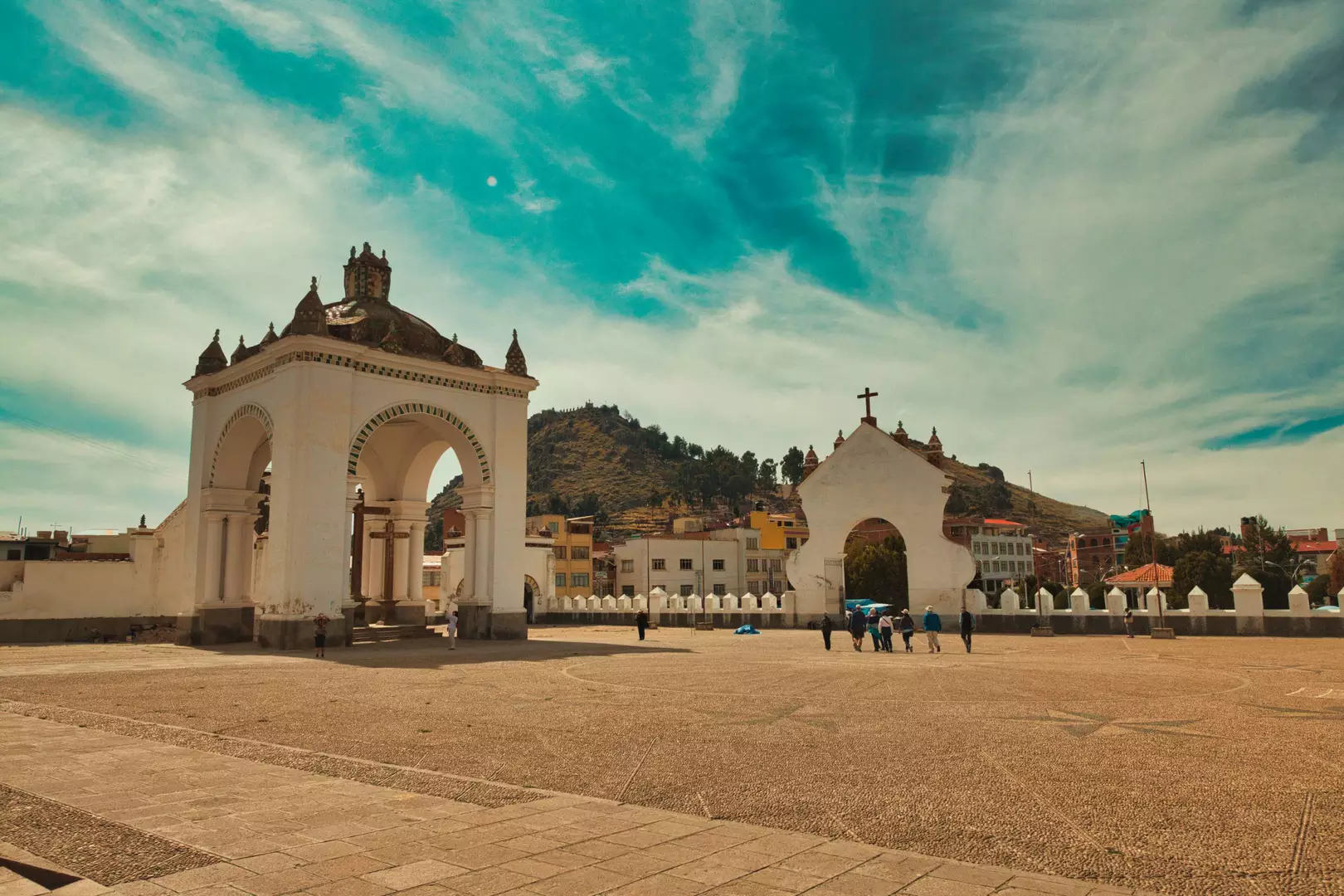
- Copacabana: a relaxed lakeside town with the white Basilica of Our Lady of Copacabana, one of the most important pilgrimage sites in South America.
- Cerro Calvario: a short, steep climb above town to one of the best sunset viewpoints on the lake.
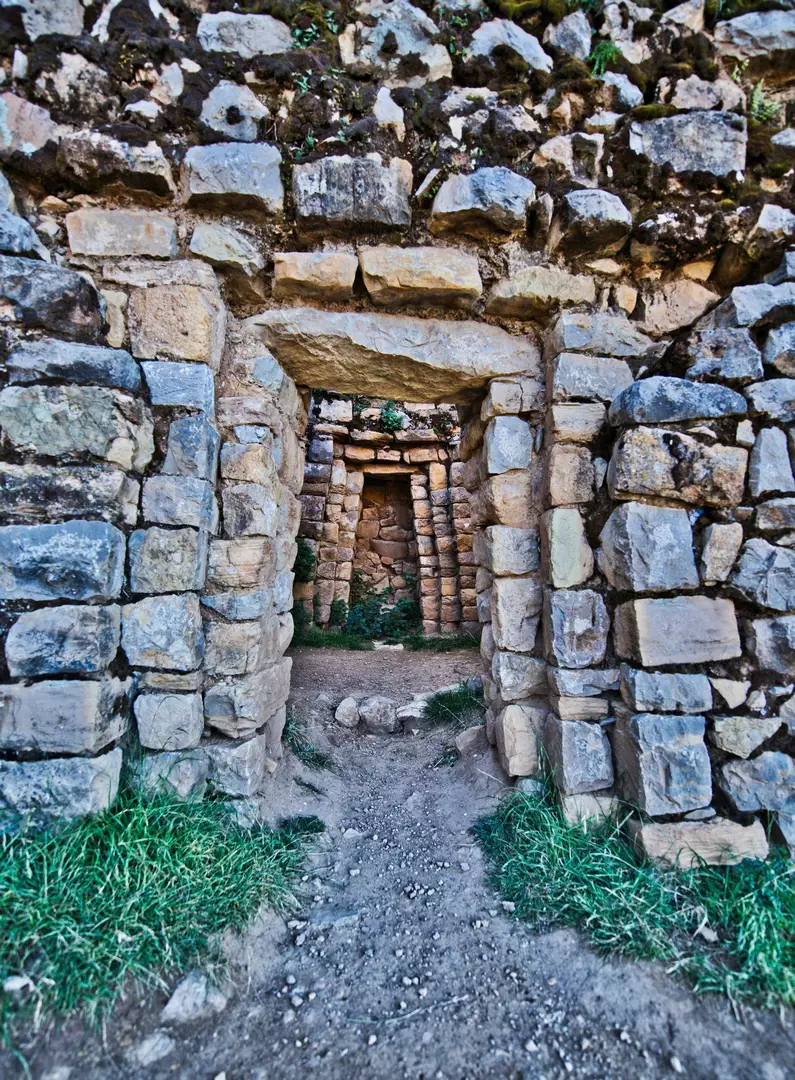
- Isla del Sol: the legendary birthplace of the Inca sun god. No cars, ancient trails, Inca ruins like Pilkokaina, the Inca Stairway and the Fountain of Youth, and views of the snowy Cordillera Real across the water.
- Isla de la Luna: a smaller island nearby with the ruins of a temple dedicated to the moon.
Good to know
Isla del Sol is best experienced with a night on the island. Accommodation there is simple — small family-run hostels and eco-lodges, no big hotels — but watching the sunset and the stars from the island is unforgettable. Trails and access to some parts of the island are managed by local communities and can change, so travel with a guide or check before you go.
Side-by-side comparison
- Atmosphere: Peru is busier and more organized · Bolivia is quieter and more rural
- Main highlight: Peru — the Uros floating islands · Bolivia — Isla del Sol and its Inca ruins
- Culture: Peru — Uros and Taquile island communities · Bolivia — Aymara communities and the Copacabana pilgrimage
- Landscapes: both are beautiful; the Bolivian side has the snow-capped Cordillera Real as a backdrop
- Best base: Peru — Puno · Bolivia — Copacabana or a night on Isla del Sol
- Easy from: Peru — Cusco · Bolivia — La Paz
So which side should you choose?
- Choose Peru if you are traveling around Cusco and Machu Picchu and only have one day for the lake, or if seeing the Uros floating islands is your top priority.
- Choose Bolivia if you prefer quieter places, want to sleep on an island with almost no tourism infrastructure, or are already traveling to La Paz and Uyuni.
- Do both if you are traveling between Peru and Bolivia. The lake is the natural link between the two countries, and crossing it is one of the most beautiful overland routes in South America.
How to visit both sides: Puno to Copacabana
The most common route is Cusco → Puno → Copacabana → La Paz (or the reverse):
- Spend a day on the Peruvian side from Puno: Uros and Taquile.
- Travel from Puno to Copacabana, about three hours, crossing the border at Kasani. Have your passport ready and check the entry requirements for your nationality before you travel.
- Take the boat to Isla del Sol and spend a night on the island.
- Continue to La Paz, about three and a half hours away, and then on to the Salar de Uyuni.
This way you also arrive in La Paz already acclimatized to the altitude. Read more in our guide to altitude sickness in Bolivia.
Practical tips for both sides
- Altitude: the lake is higher than Cusco and La Paz. Walk slowly, especially on the Isla del Sol stairs.
- Sun and cold: the sun is very strong on the water, and nights are cold all year. Bring sunscreen, sunglasses and warm layers.
- Cash: carry small bills in soles or bolivianos for island entry fees, boats and local purchases.
- Luggage: leave big suitcases in La Paz, Puno or Copacabana. On Isla del Sol you will carry your bag up steep paths.
- Best time: the dry season (May to October) brings clear skies and the best views of the Cordillera Real. The rainy months are greener but cloudier.
Sources and further reading: Wikipedia: Lake Titicaca.
Our Lake Titicaca tours
On the Bolivian side, we offer private tours with a bilingual guide from La Paz:
- Lake Titicaca Full Day Tour: Copacabana and Isla del Sol in one long day from La Paz.
- Titicaca Revealed — 2 Days / 1 Night: a night on Isla del Sol, ending in La Paz or continuing to Puno, Peru.
- Highlights of Titicaca — 3 Days / 2 Nights: Copacabana sunsets, Isla del Sol and time to enjoy the lake slowly.
On the Peruvian side, our Peru Complete — 10 Days ends at Lake Titicaca with the Uros and Taquile islands, and can continue into Bolivia.
Planning a longer trip? See our Bolivia itineraries for 7, 10 and 14 days, or contact us and we will design a route across both countries for you.
