
Altitude Sickness in Bolivia: How to Prevent It (Local Guide's Advice)
Altitude is the one thing that can really change how your Bolivia trip feels. Most travelers land in La Paz, step out of the airport at around 4,000 meters, and feel it within minutes: a light head, a fast heartbeat, short breath on the first set of stairs. That is normal. With the right plan, almost everyone adapts and enjoys the trip.
We are a tour operator based in La Paz, and we have been helping travelers through their first days at altitude since 2012. This guide explains what altitude sickness is, how to prevent it, what to do if you feel unwell, and how we plan our itineraries around it.
This article is general travel information, not medical advice. If you have a heart or lung condition, are pregnant, or take regular medication, talk to your doctor or a travel clinic before your trip.
How high is Bolivia?
Bolivia is one of the highest countries in the world to travel through. Approximate altitudes of the places most visitors go:
- El Alto International Airport (La Paz): about 4,060 m
- La Paz city center: about 3,600 m
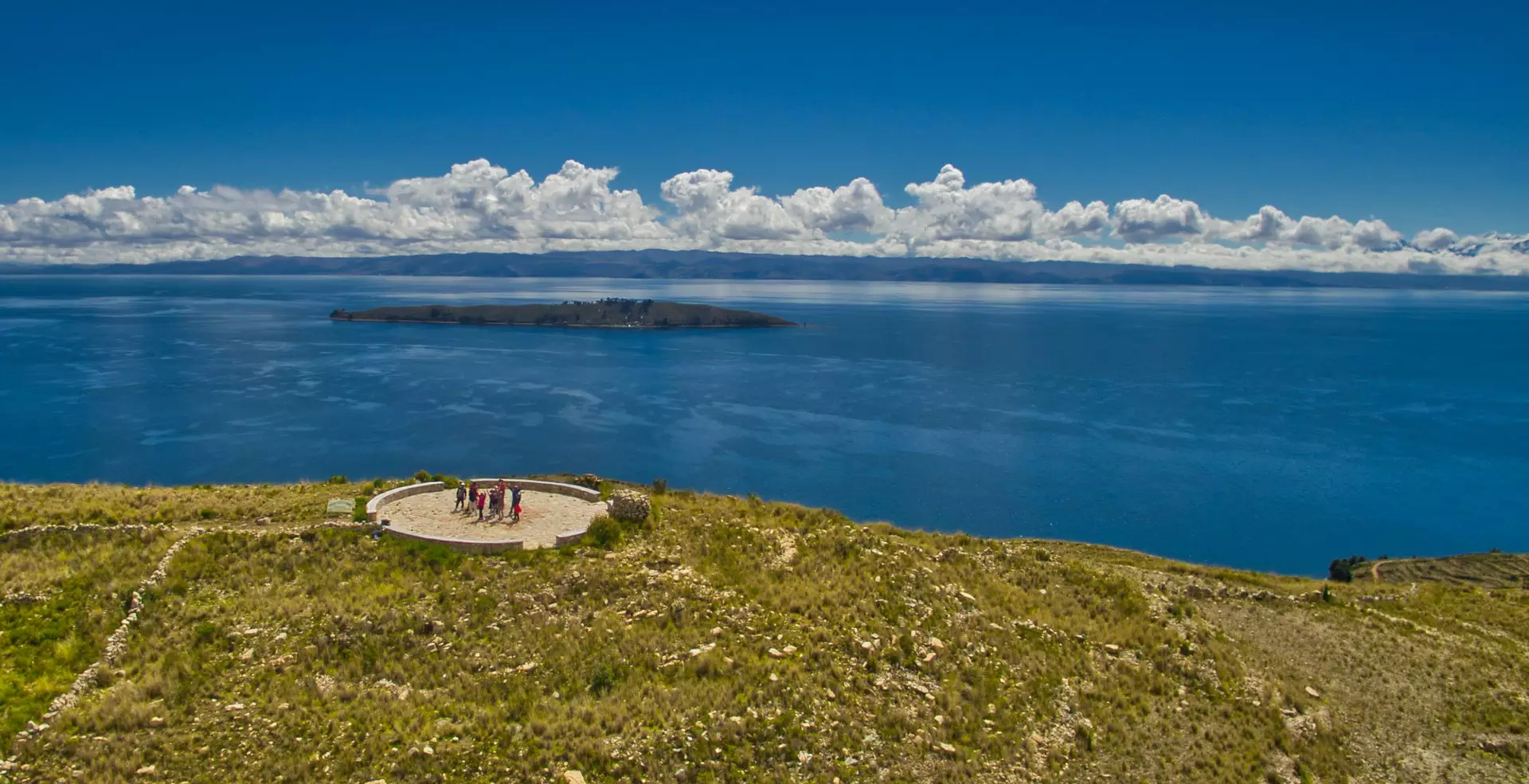
- Lake Titicaca and Copacabana: about 3,800 m
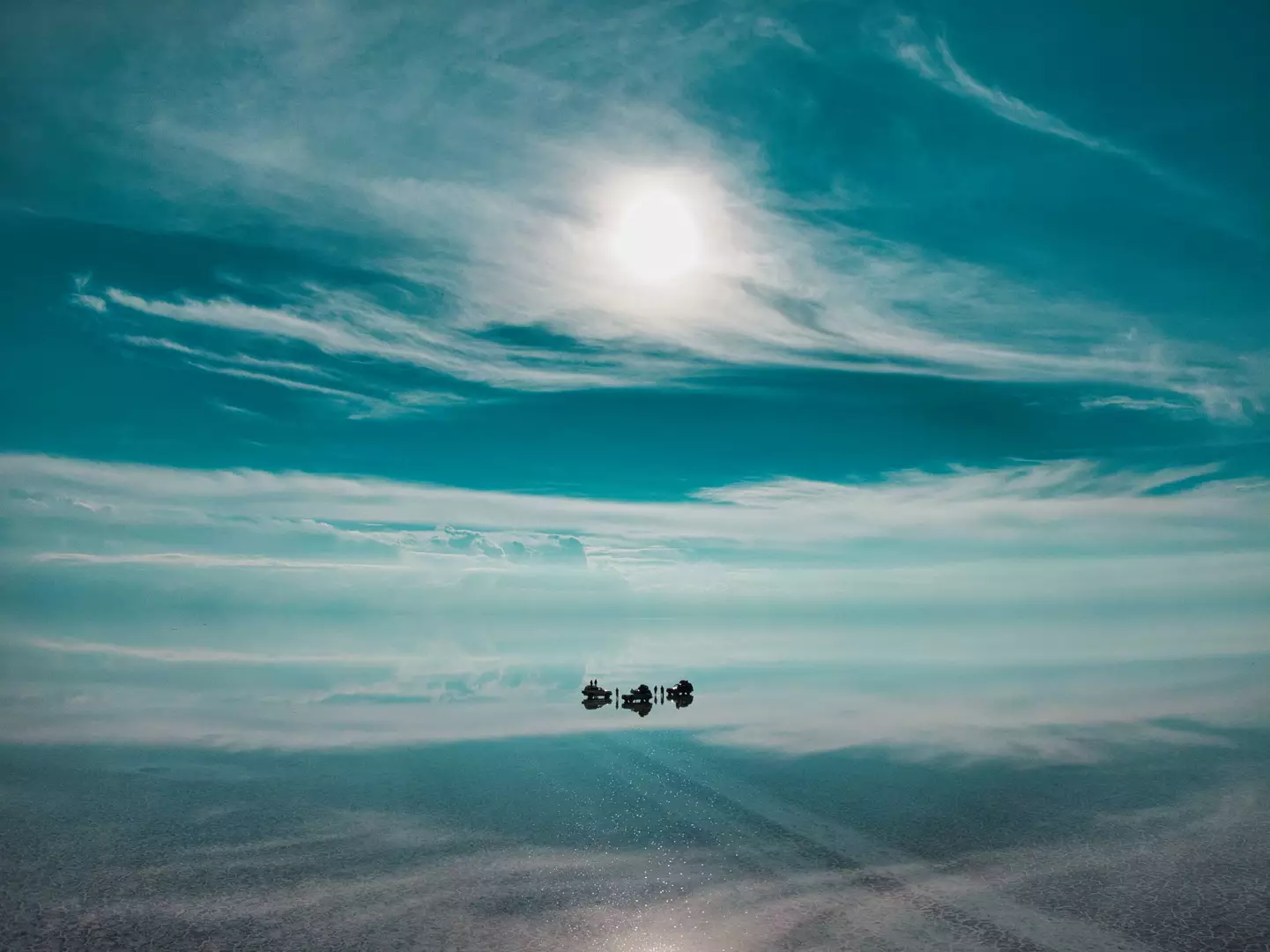
- Uyuni and the Salar: about 3,650 m
- Potosí: about 4,000 m — one of the highest cities in the world
- Sol de Mañana geysers (Uyuni lagoon route): close to 5,000 m
- Sucre: about 2,800 m — the "easy" one
- Rurrenabaque (Amazon): a few hundred meters — no altitude issues at all
For comparison, Cusco in Peru sits at about 3,400 m. Most of Bolivia's highlights are higher than that.
What is altitude sickness?
At high altitude the air has less pressure, so every breath brings less oxygen into your body. Your body adapts by breathing faster, raising your heart rate and, over a few days, making changes in the blood. Altitude sickness happens when you go up faster than your body can adjust.
Doctors usually describe three forms:
Acute mountain sickness (AMS) — the common one
Usually appears 6 to 12 hours after arriving at altitude. Typical symptoms:
- Headache (the main sign)
- Tiredness and low energy
- Nausea or loss of appetite
- Dizziness
- Poor sleep
It feels a lot like a hangover. Mild AMS is very common in La Paz on the first day or two and usually improves on its own with rest, water and not going any higher.
HACE and HAPE — rare but serious
In rare cases, altitude sickness can become dangerous:
- HACE (high altitude cerebral edema): confusion, very strong headache, loss of balance or coordination, unusual drowsiness or behavior.
- HAPE (high altitude pulmonary edema): breathlessness even when resting, a persistent cough, chest tightness, a gurgling sound when breathing, very low energy.
These are medical emergencies. The person needs to go down to a lower altitude and get medical help immediately. On our tours, guides are trained to watch for these signs and to act quickly.
Who gets altitude sickness?
Anyone can. It does not depend on how fit you are: marathon runners get it, and some people who never exercise feel fine. The biggest factors are how high you go, how fast you go up, and how your own body responds. If you have had altitude sickness before, you are more likely to get it again, so plan extra time.
How to prevent altitude sickness in Bolivia
1. Go up slowly and plan rest days
This is the single most important rule. Medical guidelines suggest that above 3,000 m you should not increase your sleeping altitude by more than about 500 m per day, with a rest day every few days. In Bolivia that means: don't plan anything demanding for your first 24 to 48 hours.
2. Consider starting lower
Two good strategies:
- Start in Sucre (about 2,800 m) and travel up to Potosí and Uyuni. Our Let the Adventure Begin — 7 Days and Complete Bolivia Highlights — 12 Days follow this logic.
- Arrive from Peru after a few days in Cusco or Puno. You will already be partly acclimatized.
3. Take your first days easy
Walk slowly, especially uphill. Take the stairs one at a time. A short, easy city walk or a ride on the cable cars is perfect for day one. Save hikes, the Potosí mine and early-morning starts for later.
4. Drink water, eat light, skip the alcohol
The air is very dry at altitude and you lose water fast. Drink regularly, eat lighter meals with carbohydrates, and avoid alcohol and heavy meals for the first couple of days. Alcohol and sleeping pills can make altitude symptoms worse.
5. Coca tea
Mate de coca is offered almost everywhere in Bolivia, and many travelers find it helps with mild symptoms. It is a traditional, legal drink in Bolivia. It is not a substitute for slow ascent, and note that coca leaves are illegal to take into many countries — enjoy it here, don't pack it.
6. Ask your doctor about medication
Some travelers take preventive medication such as acetazolamide, which is prescription-only and not suitable for everyone. Talk to your doctor or a travel clinic before your trip. For mild headaches, many people use common pain relievers; again, check with your doctor what is right for you.
7. Protect yourself from sun and cold
At altitude the sun is much stronger and nights are very cold. Sunburn, dehydration and poor sleep from the cold all make you feel worse. Use high-factor sunscreen, sunglasses and warm layers.
What to do if you feel unwell
- Mild symptoms (headache, tiredness, poor appetite): rest, drink water, don't go any higher until you feel better. Most people improve within a day or two.
- Symptoms getting worse despite rest: do not continue up. Tell your guide or hotel, and see a doctor. La Paz has clinics with experience treating altitude sickness.
- Signs of HACE or HAPE (confusion, loss of balance, breathlessness at rest): go down immediately and get medical help. Do not wait until morning.
The golden rule used by guides everywhere: never go higher with symptoms, and go down if you get worse.
Altitude on the Uyuni lagoon route
The three-day route from Uyuni through the Eduardo Avaroa National Reserve is the highest part of most Bolivia trips. You will sleep at around 4,200 to 4,400 m and visit the geysers close to 5,000 m at sunrise. It is very cold and the air is thin, so do this route after you have spent a few days at altitude, not on day one or two.
On our tours we have oxygen available for emergencies. If you book with another company, ask whether they carry it. Learn more about this region in our Salar de Uyuni travel guide.
How we plan around altitude at Andes 2 Amazon
- Gentle first days: our itineraries start with easy activities in La Paz or Copacabana, or start low in Sucre.
- Logical order: we build routes so you go up gradually, leaving the highest places (the lagoons and geysers, the Potosí mine) for later in the trip.
- Experienced guides: our guides know the signs of altitude sickness and know when to slow down or change plans.
- Oxygen available: we carry oxygen on our tours, so we can help quickly if someone feels unwell at high altitude.
- Flexibility: if you are not feeling well, we adjust the program. Your health comes first.
See how this works in practice in our Bolivia itineraries for 7, 10 and 14 days.
Quick checklist
- Talk to your doctor before the trip, especially if you have a medical condition.
- Plan 1 to 2 easy days on arrival.
- Go up gradually; don't do the lagoon route or the Potosí mine first.
- Drink water, eat light, avoid alcohol at first.
- Try coca tea (but don't take leaves home).
- Pack sunscreen, sunglasses and warm layers.
- Never go higher with symptoms; go down if you get worse.
Travel Bolivia with people who live at altitude
We live and work at 3,600 meters every day, and we design every trip with altitude in mind. Tell us your dates, where you are arriving from and what you want to see, and we will build an itinerary that lets your body adjust and lets you enjoy every moment.
Explore our tours or contact us to plan your trip.
