Home>
From Low to Highlands — 19 Days Bolivia
From Low to Highlands — 19 Days Bolivia
The most complete Bolivia itinerary: 19 days from the Amazon to the Andes. Jungle, pampas, Titicaca, La Paz, Sucre, Potosi & Uyuni. Book now.
The most complete Bolivia itinerary: 19 days from the Amazon to the Andes. Jungle, pampas, Titicaca, La Paz, Sucre, Potosi & Uyuni. Book now.
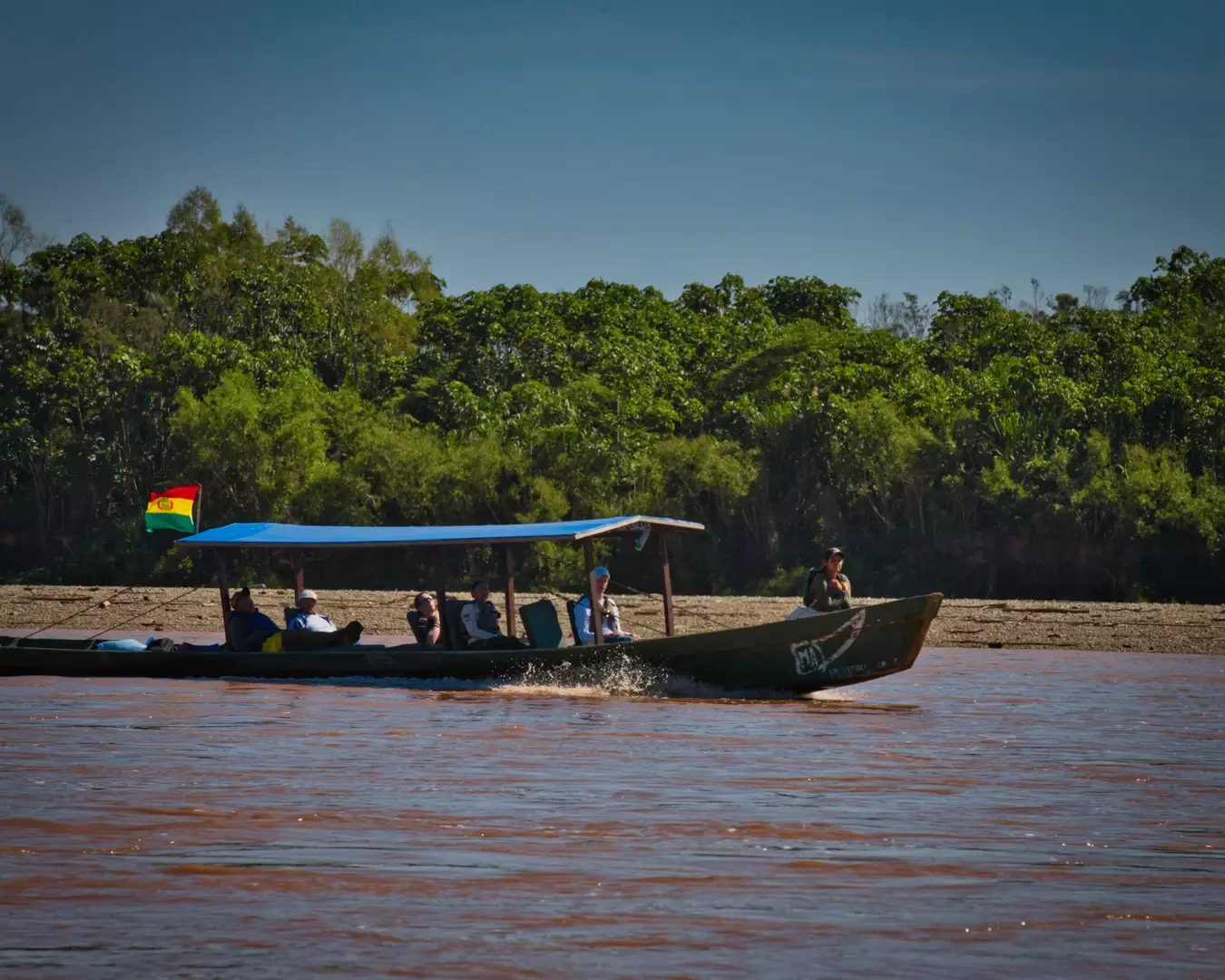
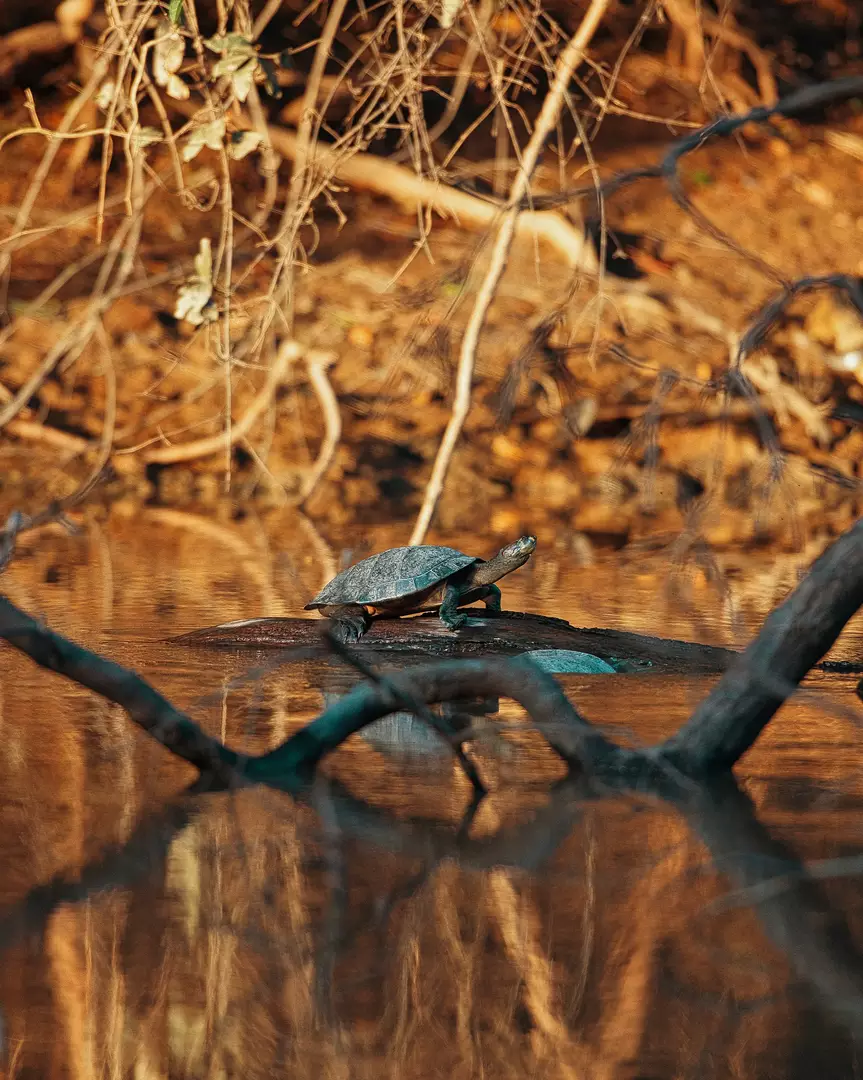
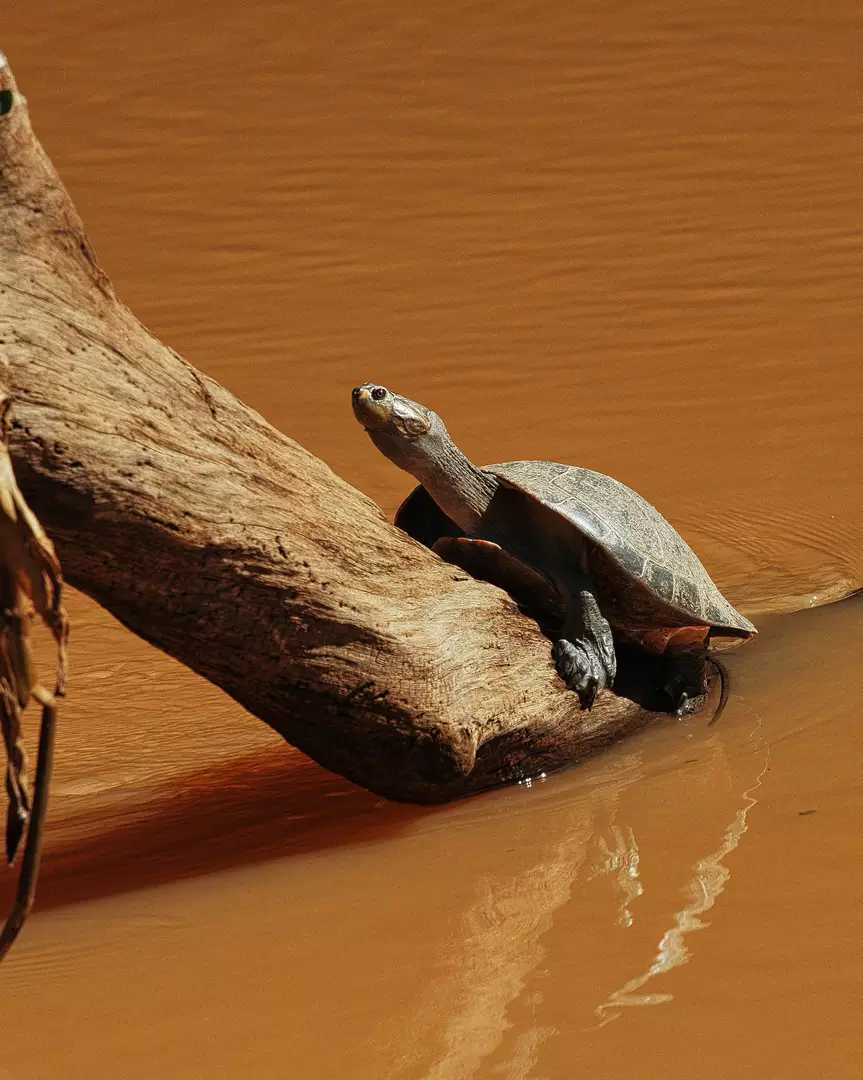


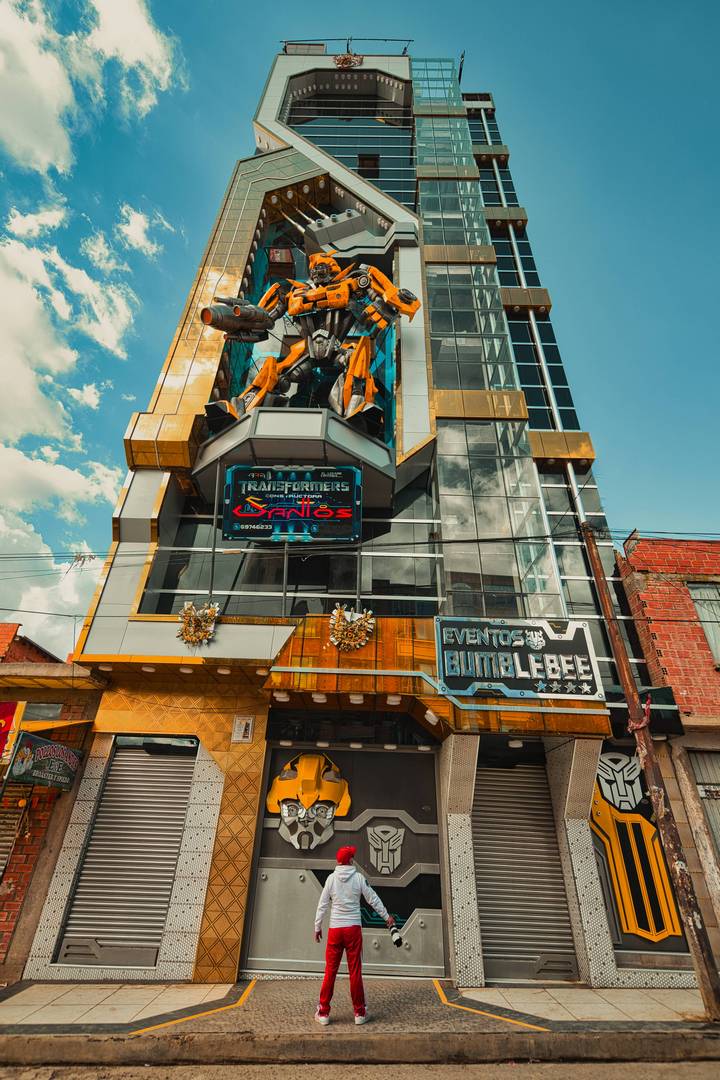


Nineteen days. The full depth of Bolivia. This is the itinerary for travelers who want to leave nothing out: a night on Isla del Sol in Lake Titicaca, La Paz with a local guide, seven days in the Bolivian Amazon around Rurrenabaque — three in the pampas looking for pink river dolphins and three in Madidi National Park with an indigenous community and a night in a jungle camp — then colonial Sucre, the silver mines of Potosí and the full three-day Uyuni salt flat and lagoon route, ending in La Paz or San Pedro de Atacama, Chile.
This tour can start in La Paz or in Copacabana.
Hotel pickup at about 7:00 AM and drive to Copacabana, arriving at noon for a traditional lunch. Boat to Isla del Sol, walk up the Inca Stairway and drink from the Fountain of Eternal Youth. Dinner and night at a local hostel on top of the island, overlooking both sides of the lake.
After breakfast, walk to the Pilkokaina Temple. Boat back to Copacabana, visit its basilica, have lunch and take the bus back to La Paz.
Pickup at 9:00 AM for a 3-hour walk with a local guide: Bolivia’s history at the main plaza, a traditional mid-morning snack, San Pedro Prison, markets full of Andean potatoes, the hidden Witches’ Market in El Alto and back downtown by cable car. Free afternoon.
Early transfer to La Paz airport for the 7:30 AM flight via Cochabamba, arriving in Rurrenabaque at about 1:25 PM. Rest of the day to explore this charming Amazon town.
At 9:00 AM drive in an air-conditioned car to Santa Rosa, spotting sloths, anteaters and birds on the way. A 15-minute boat ride takes you to the eco-lodge “The Turtles” for a fresh juice and lunch. At 2:00 PM go by boat looking for pink river dolphins, turtles, alligators and birds. After dinner, a short night walk for insects, amphibians and nocturnal wildlife.
Wake up to the sounds of nature. After breakfast, boat along the Yacuma River looking for squirrel, howler and capuchin monkeys and Amazon birds. Afternoon trip to see capybaras and fish for piranhas. After dinner, a walk around the lodge and caiman spotting.
Up at 5:30 AM for the sunrise, monkey calls and birdsong. After breakfast, a short walk in the pampas looking for the anaconda (depending on the season). Lunch at the lodge and return to Rurrenabaque at about 4:30 PM.
Start at 8:30 AM with a one-hour jungle walk to the indigenous community of Villa Alcira to learn about their traditions. Walk along the Beni and Tuichi rivers to the Mashaquipe eco-lodge, arriving around noon for a fresh juice and lunch. Afternoon trek designed to observe the wildlife around the lodge.
Breakfast at 7:30 AM; you receive a sleeping bag, mat and mosquito net. A 5-hour trek into the heart of the jungle to the Patujusal camp, looking for monkeys, wild pigs and spiders and learning about traditional medicine. After dinner, a night walk where you may see armadillos, snakes, night monkeys, tapirs and hear the jaguar.
Wake at 6:30 AM to the howler monkeys’ concert. Hike to the Farallón de las Parabas to see macaws and parrots, then build your own traditional raft and float about 2 hours back to Mashaquipe for lunch. Return to Rurrenabaque around 4:00 PM.
Flight from Rurrenabaque to La Paz via Cochabamba.
Free day in La Paz. In the evening, board the overnight bus to Sucre.
Arrive early in the morning. Free day to rest and explore the whitewashed colonial capital.
At 8:30 AM a 3-hour walking tour: a traditional Tojori breakfast in the main market, the Obelisk, Bolívar Park, the dinosaur-themed Kinder Park, the La Recoleta viewpoint and the General Cemetery. Afternoon bus to Potosí (about 4 hours).
Explore the colonial mining city at your own pace.
Be ready at 8:30 AM for the active mine adventure at the base of Cerro Rico (about 3 hours, 4,200 m): galleries, the statues of El Tío, mineral veins and time with the miners at work. Afternoon bus to Uyuni (about 3 hours).
Hotel pickup between 10:00 and 10:30 AM: Train Graveyard, Colchani, the Salar de Uyuni (3,650 m), the Ojos de Agua Salada and the salt hotel museum. After lunch, hike Isla Incahuasi among giant cacti, take perspective photos and watch the sunset over the salt flat. Night in the salt hostel “La Escondida” in Villa Candelaria (January–April: hotel in Culpina or similar).
Breakfast at 7:00 AM, the Chiguana Desert and the Ollagüe Volcano lookout (5,840 m), the flamingo lagoons Cañapa, Hedionda (lunch) and Chiarcota, the Siloli Desert (4,550 m) and the Rock Tree, ending at the Red Lagoon. Night at the “Huayllajara” basic lodge (6-bed dorms, shared bathroom, electricity about 3 hours).
Breakfast at 5:00 AM, the Sol de Mañana geysers (5,000 m) and the hot springs (35 °C), the Dalí Desert and the Green Lagoon beneath Licancabur Volcano. Back in Uyuni around 6:30 PM via the Valley of Rocks, Alota and San Cristóbal, then the night bus to La Paz.
Ending in Chile instead? Your guide helps you cross the border at 10:30 AM and you arrive in San Pedro de Atacama around 12:00 PM (drop-off at the main square). Must be booked in advance.
The Amazon program may change with wet or dry weather. Rainy season (November–April): Isla Incahuasi can be closed when it rains, and we may sleep in a different place depending on road access. Winter (May–August): the Eduardo Avaroa Reserve can close because of snow; if so, we visit the Black Lagoon and the Valley of Rocks instead. Water and soft drinks are served at lunch and dinner on the Uyuni tour. Prices of local fees may change without notice.
Absolutely. Bolivia is one of the most geographically diverse countries in the world. The Amazon lowlands, the Andean altiplano, the colonial cities of the central valleys, and the volcanic southern border region are all distinct ecosystems and cultures. Nineteen days allows you to experience each without rushing.
Yes — this is exactly what Andes 2 Amazon specializes in. The 19-day Bolivia tour can be extended with a Peru leg (Cusco, Machu Picchu, Puno) or an Argentina leg (Salta, Jujuy, Buenos Aires). Ask us for a multi-country custom quote.
May to October (dry season) is ideal for the altiplano sections. November to April brings the mirror effect on the Salar de Uyuni and is excellent for the Amazon. Year-round operation is possible — ask us about seasonal adjustments.

10 days in Bolivia: Lake Titicaca, Isla del Sol, colonial Sucre, Potosi silver mine & Uyuni Salt Flats. Independent trip. English guides. Book now.
View Tour →
8 days in Bolivia: La Paz city tour, Isla del Sol on Lake Titicaca, and the Uyuni Salt Flats. Nature & adventure. English guide. Book now.
View Tour →
12 days covering all of Bolivia’s highlights: La Paz, Sucre, Potosi, Uyuni Salt Flats. Independent trip with English guides. Book now.
View Tour →